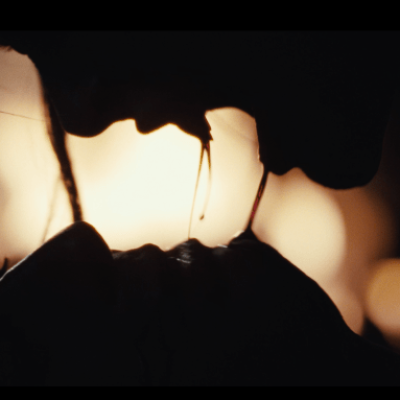
While the world of horror cinema continues to evolve, one film has captured the audience’s attention and sparked curiosity about its future: Black Phone 2. This sequel has emerged from the chilling narrative that introduced us to The Grabber, a character so compelling that he has ignited discussions about further stories. But what does the future hold for this franchise? With creator Joe Hill at the helm, the potential for more gripping tales is palpable, and fans are eager to explore these darker dimensions.
Bringing Back The Grabber: The Genesis of Black Phone 2
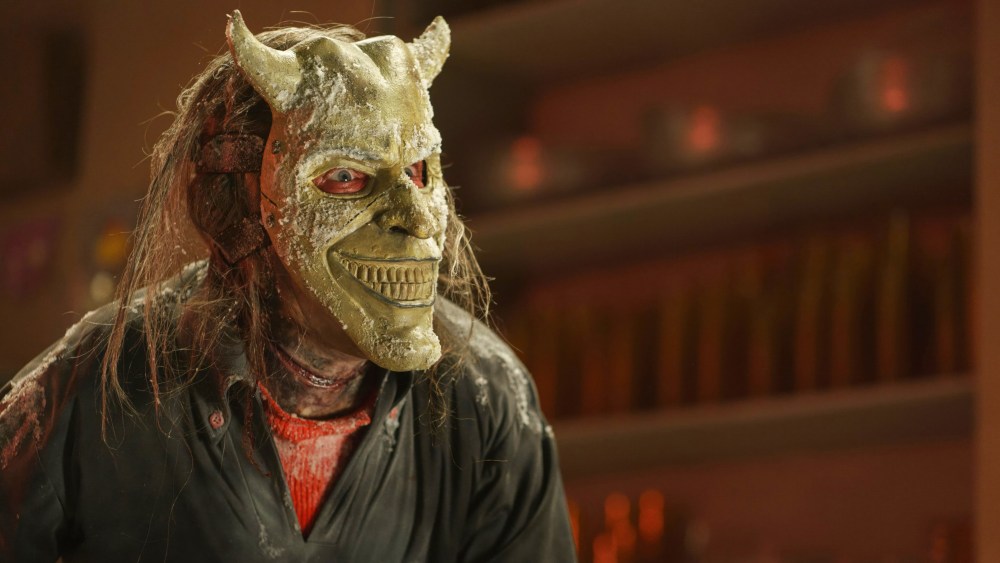
In an introspective revelation, Joe Hill, the mastermind behind the franchise, reflects on the creation of The Grabber’s mask. Crafted by the renowned Tom Savini and Jason Baker, the mask was designed with multiple expressions—ranging from a sinister grin to a haunting emptiness. Hill recalls, “I thought there’s gonna be a whole bunch of these movies,” likening The Grabber to iconic horror villains like Freddy Krueger and Michael Myers. This foresight demonstrates just how integral the character is to the horror landscape.
The original film debuted in 2021 and quickly became a fan favorite, with Ethan Hawke’s portrayal of The Grabber leaving an indelible mark on viewers. Hill’s decision to suggest a sequel was not merely a whimsical idea; it stemmed from a deep understanding of the narrative potential within the universe he created. The sequel follows Finney, who escapes The Grabber’s clutches, and his sister Gwen, who receives ominous phone calls that unravel a chilling mystery.
The Promise of Innovation in Black Phone 2
As the sequel unfolds, it not only builds upon the existing plots but also ventures into uncharted territory. Black Phone 2 aims to delve deeper into character arcs, effectively flipping the script from the first film. Hill elaborates, explaining how the new narrative shifts the focus: “In this film, Gwen is the lead character and her brother is trying to save her.” This character development offers new dimensions to explore, essentially answering fan desires for more complex storytelling.
Moreover, the talent behind the camera remains intact, with Scott Derrickson and C. Robert Cargill returning to craft a story that intertwines suspense with emotional depth. Their dedication to character portrayal instills a unique warmth within the chilling atmosphere of the film. Hill describes their approach as one that maintains “affection for their characters” even amidst the horror, further enriching the viewing experience.
What’s Next for the Franchise?
Looking ahead, the possibility of a third installment has already been floated by Hill, although he remains cautious. “We’ll see if people want more,” he shares optimistically, referencing positive reception and early box office numbers for Black Phone 2. Hill understands that the audience’s enthusiasm will ultimately dictate the future of the franchise.
If a third film were to materialize, Hill teases an exhilarating premise: “If there is a third film, they are dual stars trying to save each other.” Such a concept not only suggests a thrilling escalation of the narrative but also signifies a commitment to character development that fans crave. Placing Finney and Gwen in a situation where they must rely on each other promises to heighten the stakes in ways that echo throughout the horror genre.
The Impact of Black Phone 2 on the Horror Landscape
The release of Black Phone 2 is not just another sequel; it represents an evolving style within horror filmmaking. By addressing emotional resonances while delivering scares, it expands what audiences can expect from the genre. Films today are not just about depleted tropes; they are avenues for exploring deeper narratives.
Audiences are willing to engage with stories that offer more than just jump scares. As reflected in the cinematic and artistic choices made in Black Phone 2, there’s a new expectation for horror to balance spine-tingling suspense with profound human experience. This is evident in recent discussions surrounding the film industry, where emerging trends spotlight the necessity for storytelling that resonates, much like the insights on AI in healthcare that highlight transformative narrative potentials.
The Future of Horror: Can Black Phone 2 Lead the Way?
The current dialogue surrounding Black Phone 2 offers a crucial assessment of where horror might be headed. Films that combine innovative storytelling with rich characters seem to create a roadmap for success in an industry often overshadowed by formulaic plots. With more creators experimenting with storytelling—similar to strategies discussed in AI venture capital innovations—the future looks promising.
Alongside discussing Black Phone 2, it’s essential to recognize the broader landscape of contemporary storytelling. As investors shift their focus towards new technology, as explored in AI-driven solutions, we see how evolving landscapes forge new paths for creators seeking to connect with audiences meaningfully.
To deepen this topic, check our detailed analyses on Movies & TV Shows section
As we await the audience’s response to Black Phone 2, the implications for future horror films remain compelling. The landscape is shifting, and with it comes the chance to redefine how we experience fear—and that’s something every fan should eagerly anticipate.