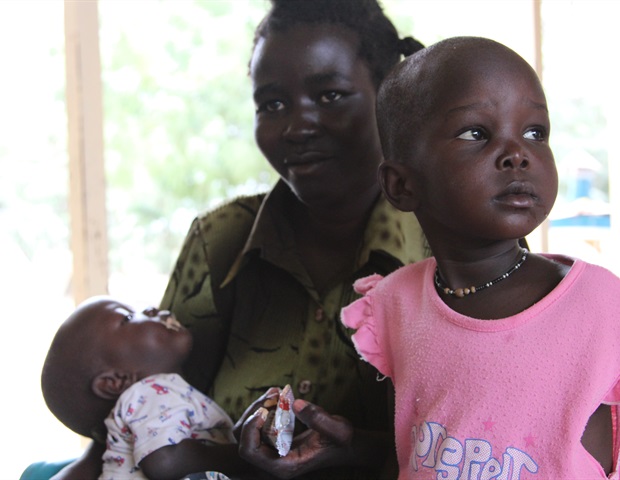
The alarming issue of child mortality Gaza is reaching critical levels as humanitarian conditions deteriorate. An extraordinary statistic reveals that more than 54,600 children in Gaza are acutely malnourished, with over 12,800 facing severe malnutrition. This dire situation underscores the urgent need for unimpeded humanitarian aid to prevent catastrophic outcomes. The implications of rising child mortality in this region extend beyond immediate health concerns, affecting future generations and community well-being.
Understanding the Crisis: Rising Child Mortality in Gaza
Recent evidence has revealed that children in Gaza are facing unprecedented levels of malnutrition. Between January 2024 and mid-August 2025, the UN Relief and Works Agency for Palestine Refugees in the Near East (UNRWA) conducted extensive screenings, assessing the health of nearly 220,000 children. The study indicates that the prevalence of wasting—an indicator of severe malnutrition—has been steadily increasing.
- Prevalence of wasting rose from 4.7% in January 2024 to 14.3% by January 2025.
- Geographical disparities are significant, with some areas like Rafah reporting malnutrition rates soaring to 31.5% at their peak.
This trend starkly reflects the impact of continuous conflict and severe restrictions on humanitarian aid. During the end of 2024, there was a drastic reduction in aid supplies, plummeting from pre-war levels of 300 to 600 trucks per day to mere averages of 42 to 92. The consequences of this humanitarian crisis are dire, with increased child mortality in Gaza now an imminent threat unless immediate action is taken.
Malnutrition: The Silent Killer
Wasting is defined as a child being too thin for their height and is a clear signal of inadequate nutritional intake. The methodology used by UNRWA included measuring mid-upper arm circumference (MUAC) to accurately assess children’s nutritional status. This technique correlates closely with overall body health, making it a reliable indicator of malnutrition. The study revealed that from 2023 to 2025, multiple health facilities reported staggering numbers of children suffering from this life-threatening condition.
For instance, the data indicates that:
- In Gaza City, rates of wasting increased six-fold within months, jumping from 5.4% in March 2025 to 28.8% by August 2025.
- Across all areas monitored, over 54,600 children aged 6-59 months are in urgent need of therapeutic nutrition and medical treatment.
Without regular treatment, these children face serious health decline and potential mortality.
The Urgent Need for Humanitarian Aid
As emphasized by Dr. Akihiro Seita from UNRWA, the only solution to prevent further escalation of child mortality in Gaza is through unimpeded aid. The restrictions on humanitarian access have exacerbated an already critical situation. The world must rally for a significant increase in the influx of food, medical supplies, and nutritional support to reverse the alarming trend of malnutrition.
The worsening conditions bring forward a need for comprehensive action that entails both immediate relief and long-term solutions, such as:
- Improving healthcare infrastructure and ensuring the continuity of health services.
- Strengthening community resilience through nutritional programs.
Failure to act will undoubtedly result in a future where generations of children endure the consequences of starvation and deprivation, adversely affecting their health and developmental outcomes.
Long-term Effects of Malnutrition
The implications of rising child mortality in Gaza are not limited to immediate health effects. Long-term consequences include increased risks of non-communicable diseases, reduced life expectancy, and stunted mental and physical development. The interconnected nature of malnutrition and health further emphasizes the urgent need for comprehensive interventions.
Studies indicate that the intergenerational impacts of child malnutrition can lead to a cycle of poor health, economic disadvantages, and social instability. It is critical to recognize these long-term effects and prioritize initiatives aimed at nutritional rehabilitation among children.
Conclusion: A Call to Action
The ongoing humanitarian crisis in Gaza presents an urgent call for action. The rising rates of child mortality in Gaza emphasize the inextricable link between adequate nutrition and child health. Governments and organizations across the globe must work collectively to facilitate unhindered access to aid.
To further understand the issues surrounding malnutrition and its effects on child health, refer to our detailed analyses on nutrition and diet by visiting our Nutrition & Diet section.
To deepen this topic, check our detailed analyses on Nutrition & Diet section