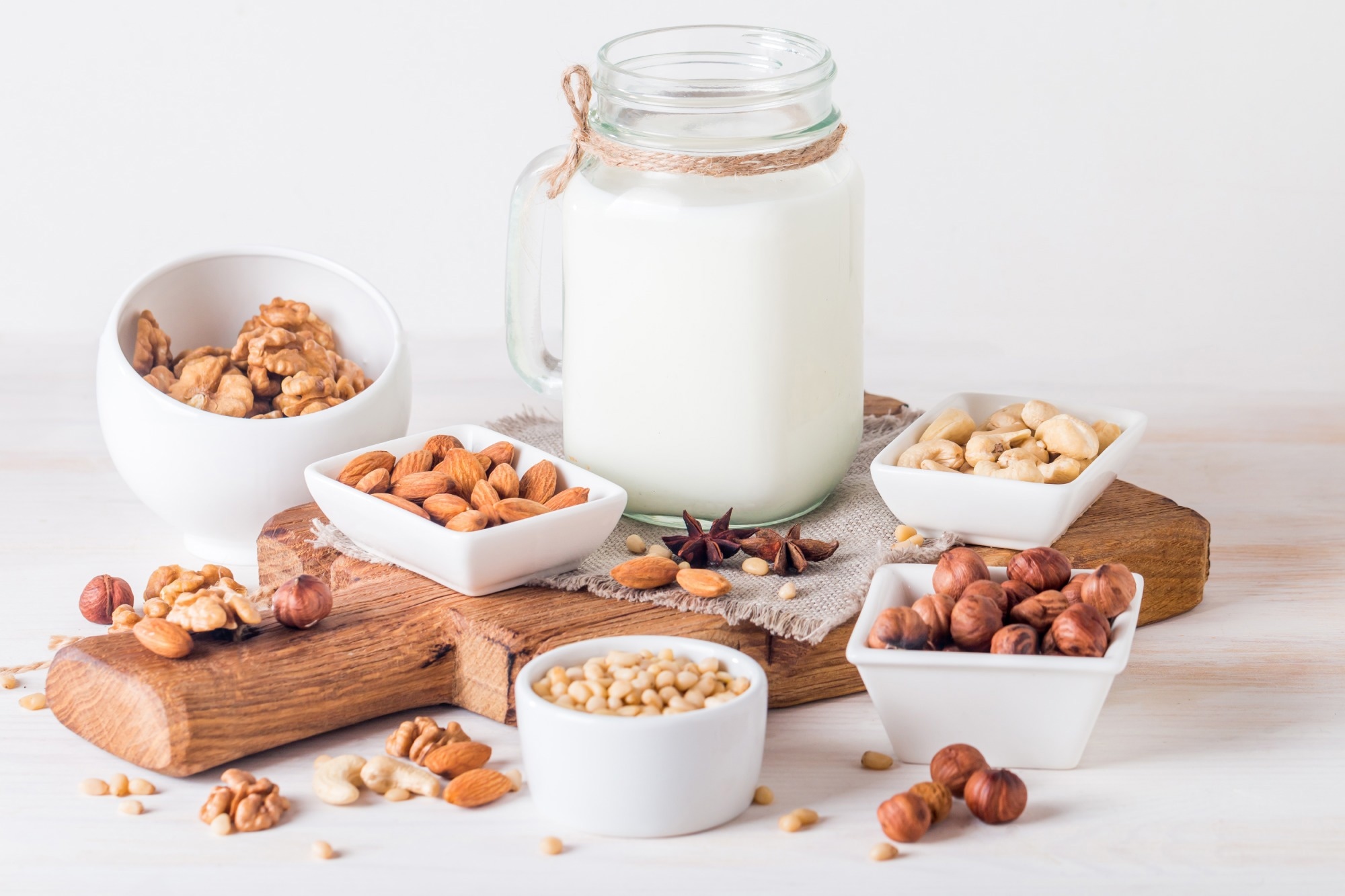
As the demand for diverse and health-conscious dietary options continues to rise, many are turning to nut-based milks as a promising alternative to traditional dairy products. With an impressive array of flavors—from almond to pistachio—these beverages are not only delicious but also loaded with healthy fats. Surprisingly, recent studies reveal that while nut-based milks offer unique health benefits, there is still debate about their ability to match dairy in safety, nutrition, and flavor. Discover how these nut-based milks are evolving and what they truly offer to our health and palates.
Unlocking the Health Benefits of Nut-Based Milks
When considering plant-based alternatives, nut-based milks are often touted for their substantial health benefits. These beverages are rich in unsaturated fats, including monounsaturated and polyunsaturated fatty acids, which contribute positively to heart health. Unlike cow’s milk, nut-based milks provide a dairy-free option ideal for those with lactose intolerance or dietary restrictions. However, they generally contain lower protein levels, averaging about 1-2.5%, significantly less than what cow’s milk offers.
To optimize their nutritional value, many brands are fortifying nut-based milks with essential vitamins and minerals, including calcium, vitamin D, and vitamin B12. For example, unsweetened almond milk is often fortified, making it a better choice for consumers seeking low-sugar, high-nutrient options. Families should be vigilant about reading labels to avoid added sugars and excess sodium while aligning with their health goals.
One of the key challenges within the nut-based milk market is ensuring safety. Studies reveal that pathogenic bacteria, such as Salmonella and E. coli, can pose risks if rendering methods are less effective. Therefore, modern production techniques have improved, utilizing processes like high-pressure processing, which enhances safety without compromising nutritional content.
Comparing Flavor and Texture: Can Nut-Based Milks Compete?
The textural profile can significantly influence consumer preference when it comes to nut-based milks. Many experience separation or a grainy mouthfeel which can deter first-time buyers. Food-grade hydrocolloids such as pectin, xanthan gum, and gellan gum have been introduced to improve emulsion stability and mouthfeel, contributing to a richer experience.
Innovative processing methods, including colloidal milling and two-stage homogenization, create smaller droplets that enhance both flavor and texture. Some brands even explore fermentation, incorporating specific strains of lactic acid bacteria (LAB) to enhance not only safety but also texture and nutritional content. This fermentation can lower the pH, contributing to a smoother mouthfeel and improving the bioavailability of nutrients.
Flavoring strategies have also noted the type of nut used. For instance, almond milk can take on desirable volatiles, leading to a creamier taste profile, while poorly managed oxidation may introduce undesirable “stale” notes. The right blend of nuts and strategic roasting can enhance appeal, appealing to various consumer palates.
Choosing Nut-Based Milks: What to Look For
When selecting the right nut-based milks, it’s crucial to prioritize certain factors to maximize health benefits. Look for labels that emphasize fortification with calcium, Vitamin D, and vitamin B12; this ensures you’re receiving comparable nutrients to those found in cow’s milk. Furthermore, opting for products labeled as unsweetened minimizes added sugars, making it an appealing choice for health-conscious consumers.
Besides identifying antioxidants and beneficial fats, processing methods are essential for ensuring product safety and quality. Consumers should be aware that nut-based milks require refrigeration after opening, similar to cow’s milk, to maintain freshness and prevent spoilage. Potential buyers should also pay close attention to allergen information; families with nut allergies should be cautious and actively avoid mixed nut blends.
Lastly, consider the presence of live cultures if choosing fermented nut beverages, as they contribute to gut health. Look for live counts reported in colony-forming units (CFU) to ensure beneficial bacteria are present in significant amounts.
The Future of Nut-Based Milks: Safety and Innovations
The landscape of nut-based milks is continuously evolving to meet consumer demands. With ongoing advancements in production techniques and formulations, the potential exists for nut-based beverages to enhance safety, improve flavor profiles, and increase nutritional offerings.
Innovations, such as high hydrostatic pressure and pulsed electric fields, are paving the way for greater efficiency in eliminating pathogens while preserving nutrients. Furthermore, research suggests that fortifying with additional nutrients and exploring various fermentation processes can bolster the health benefits of nut-based milks.
Yet, challenges remain. Addressing consumer concerns surrounding protein content, allergen management, and variable standards will require coordinated industry solutions. As consumers increasingly seek out ethical, plant-based alternatives, the demand for improved nut-based milks is sure to grow.
Conclusion: Embracing the Nut-Based Milk Revolution
The shift towards nut-based milks represents a broader trend towards embracing innovative, health-conscious food choices. While these beverages may currently lack some nutritional qualities compared to traditional dairy, their potential cannot be undermined. By enhancing production techniques, enforcing stricter safety protocols, and advancing nutritional fortification, nut-based milks can aspire to match dairy not only in safety and nutrition but also in overall flavor and market appeal.
To deepen this topic, check our detailed analyses on Nutrition & Diet section