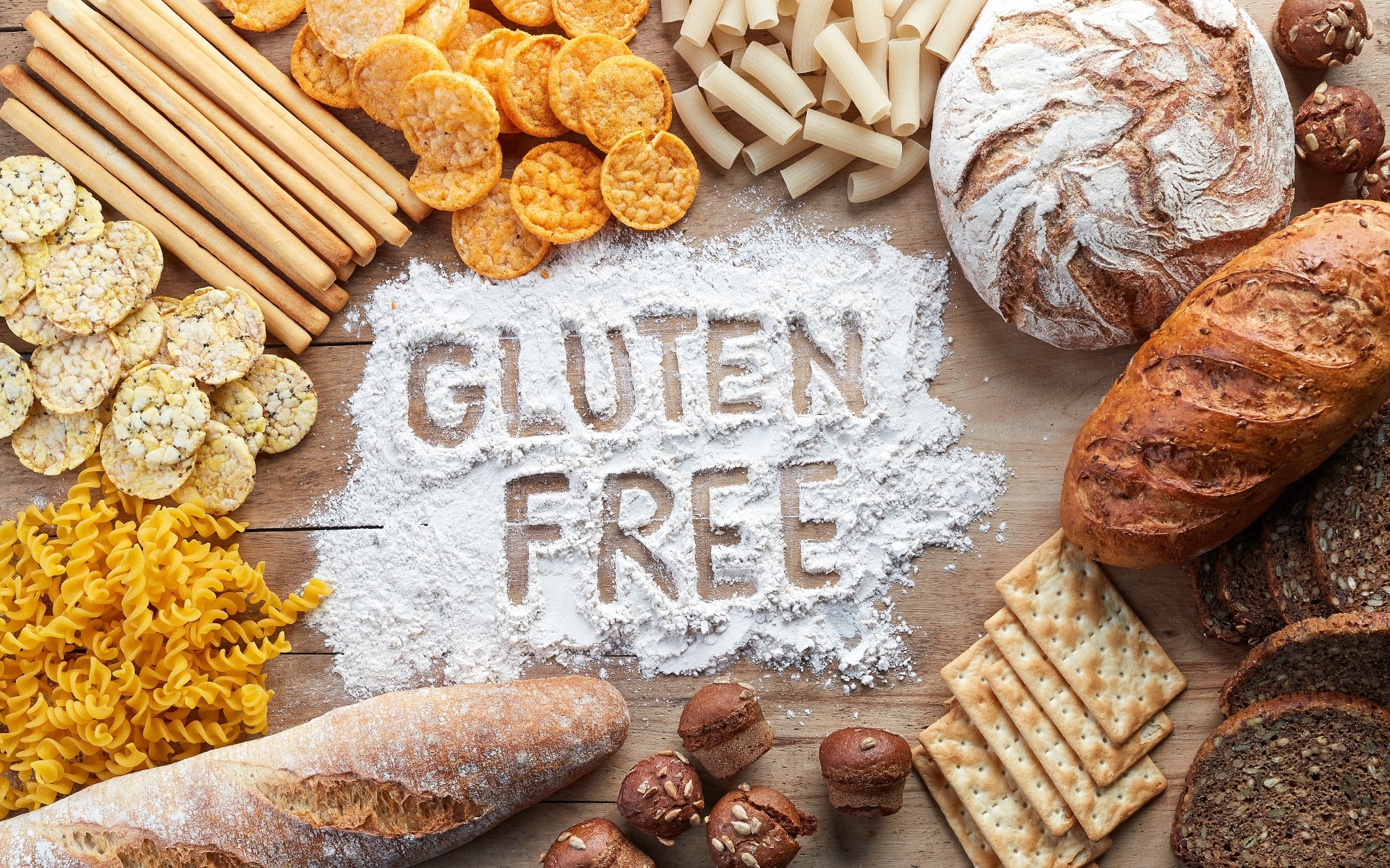
Did you know that approximately 1% of people suffer from celiac disease, a condition where gluten causes significant digestive issues? While many associate gluten with adverse health effects, research indicates that there’s a complex relationship between gluten and health, especially for those with gluten sensitivity. This article aims to explore the dual nature of gluten, highlighting both its potential benefits and its risks, especially for sensitive individuals. With insights into how innovations in food preparation can make gluten safer for those affected, we provide a comprehensive overview of this often-misunderstood component of our diets. Let’s delve deeper into the world of gluten sensitivity and uncover its impacts on health.
Understanding Gluten Sensitivity and Its Effects
Gluten is a family of proteins primarily found in wheat, barley, and rye. For some, it adds desirable texture and flexibility to foods like bread and pasta. However, for those with gluten sensitivity, consuming gluten can lead to a host of digestive and systemic symptoms. Individuals with celiac disease experience an autoimmune response, where gluten consumption damages the small intestine.
On the other hand, non-celiac gluten sensitivity (NCGS) does not cause lasting intestinal damage but can provoke symptoms like bloating, abdominal pain, and fatigue. Interestingly, as experts now note, other components of wheat may also trigger these symptoms, complicating the understanding of gluten sensitivity.
Furthermore, it is crucial to acknowledge that while some experience adverse effects, others may reap health benefits from gluten when consumed in moderation. Gluten sensitivity serves as a reminder that dietary needs can vary significantly from person to person.
The Potential Benefits of Gluten for the General Population
Despite its negative reputation, gluten also boasts a range of health-promoting attributes. Recent studies highlight how gluten-derived peptides can play beneficial roles in health. These include:
- Antioxidant properties that can help neutralize harmful free radicals.
- Antihypertensive effects that may assist in regulating blood pressure.
- Hypocholesterolemic functions, reducing cholesterol levels.
- Antidiabetic activity, contributing to improved glycemic control.
These beneficial peptides are released during the digestion and fermentation of gluten proteins, showcasing gluten’s potential as a source of nutraceuticals. Consequently, understanding gluten sensitivity within the broader context of its health impacts can inform personalized nutrition strategies.
Innovative Strategies to Reduce Gluten Toxicity
Emerging methodologies are making strides in reducing the immunogenic potential of gluten. Fermentation with specific bacterial strains, notably lactic acid bacteria, along with fungal proteases, can significantly decrease gluten’s toxic fragments. For instance, studies have shown that these fermentation processes not only lower gluten levels but simultaneously enhance the nutritional profile of bread.
Moreover, various enzymatic therapies aim to break down gluten into non-toxic peptides, thereby protecting individuals from inadvertent gluten exposure. Products like latiglutenase show promise in minimizing the digestive stress caused by gluten in sensitive populations.
However, it’s essential to note that while these innovations hold potential, they do not replace the necessity of a strict gluten-free diet for those diagnosed with celiac disease. Rather, they offer hope for improving the quality of life for those with gluten sensitivity.
The Complex Relationship Between Gluten and Health
Overall, the relationship between gluten and health is nuanced. For individuals with celiac disease, a lifelong gluten-free diet is crucial, while those with NCGS may benefit from a more tailored approach. Interestingly, many people can incorporate gluten in moderation without adverse effects.
Furthermore, the growing research surrounding bioactive peptides suggests that gluten’s innate properties may offer preventive health benefits. The challenge remains to harness these benefits while ensuring safety for those prone to gluten sensitivity.
As we continue to explore the complexities of gluten, it is vital to consider both sides of the narrative—recognizing gluten as both a potential hazard and a health-promoting component in our diets.
To deepen this topic, check our detailed analyses on Nutrition & Dietsection