Valvular heart disease is a significant health concern, affecting approximately 2.5% of adults in the United States, with over 100,000 patients undergoing valve replacement surgery each year according to the American Heart Association. As researchers seek innovative solutions to improve patient outcomes, the development of trileaflet mechanical heart valves is gaining momentum. These advanced valves aim to eliminate the compromise that patients face between long-term durability and the risk of blood clots, potentially transforming the landscape of cardiac healthcare. This article explores the promising benefits of these cutting-edge heart valves, highlighting recent findings that could pave the way for safer and more effective cardiac treatments.
Understanding Trileaflet Mechanical Heart Valves
Trileaflet mechanical heart valves are engineered to mimic the natural flow dynamics of the heart. Unlike traditional mechanical valves that use two rigid leaflets, trileaflet valves feature three flexible leaflets, allowing for a more efficient blood flow. This design is crucial in promoting optimal heart function while minimizing potential complications such as thrombosis or valve regurgitation. By addressing these critical factors, trileaflet valves represent a significant advancement in cardiac valve technology.
A recent study conducted by researchers at Texas A&M University provides new insights into the performance of trileaflet mechanical heart valves. The research team, led by Dr. Iman Borazjani, compared the flow mechanics of trileaflet valves with those of bileaflet mechanical valves and bioprosthetic valves. Their findings suggest that the unique closure dynamics of trileaflet valves can significantly improve patient safety and valve longevity.
Research Findings on Valve Performance
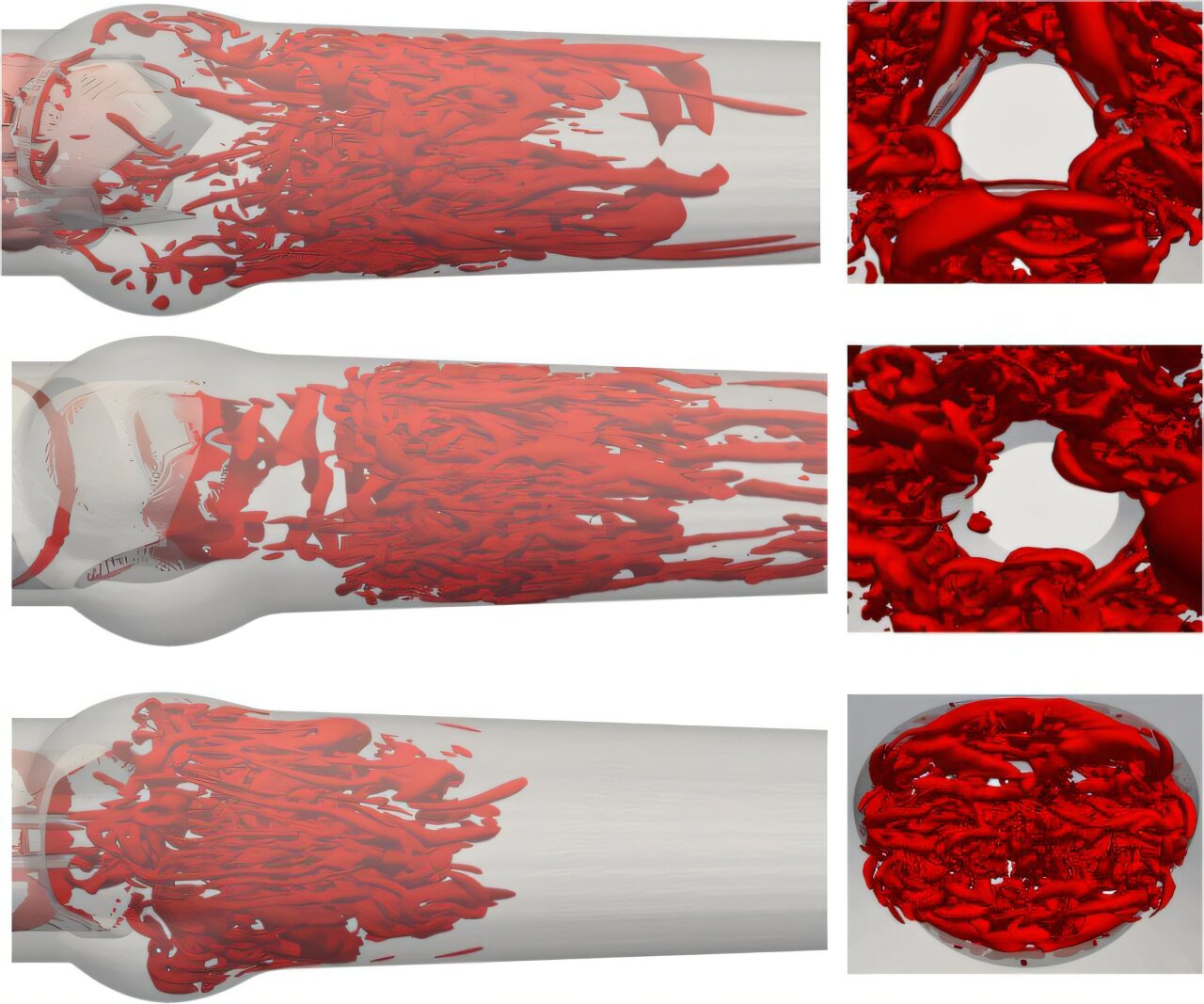
According to the study, the trileaflet mechanical heart valves initiate closure during forward blood flow, similar to bioprosthetic valves. In contrast, bileaflet valves tend to close only when backward flow occurs. This critical distinction highlights trileaflet valves’ ability to ensure unidirectional blood flow while minimizing regurgitation—an essential function of heart valves.
The research identified two key fluid-dynamic principles that enhance valve closure: the formation of a strong central blood jet and the specific movement of the leaflets, which direct closure towards the center of the valve opening. Understanding these mechanics enables engineers to refine the design and improve the reliability of mechanical heart valves, reducing the risk of complications like clotting.
- The ability to manage flows effectively aids in achieving better clinical outcomes.
- Enhanced closure dynamics correlate with lower platelet activation, suggesting that trileaflet mechanical heart valves could offer a safer alternative to existing options.
Long-term Solutions for Patients
For many years, patients receiving heart valve replacements faced a trade-off between durability and an increased risk of blood clots. The findings from the Texas A&M study present a potential solution, indicating that trileaflet mechanical heart valves can provide both longevity and a decrease in complications associated with traditional mechanical valves.
This is particularly significant given the increasing number of individuals requiring valve replacement surgeries. As valves become more advanced, the focus on biocompatibility and safety becomes paramount. The study’s preliminary results show decreased platelet activation in simulations involving trileaflet valves, indicating a promising future where patients can experience a longer-lasting solution without the fear of complications.
Future Directions in Heart Valve Technology
The importance of ongoing research in the field of cardiac valve technology cannot be overstated. With Dr. Borazjani’s research and initiatives to develop numerical frameworks for simulating platelet activation and clot formation, there lies potential for a new generation of trileaflet mechanical heart valves that do not compromise patient safety.
This interdisciplinary project incorporates insights from mechanical engineering, bioengineering, and computer science, pointing towards a collaborative approach in advancing medical technology. As manufacturing technologies evolve, the hope is that we will see innovations that can lead to safer, more effective heart valve solutions sooner rather than later.
In summary, the advent of trileaflet mechanical heart valves represents a significant advancement in the treatment of valvular heart disease. With promises of improved biocompatibility and reduced thrombotic risks, these valves could change the lives of tens of thousands of patients every year, ensuring that the benefits of valve replacement surgery far outweigh the risks.
To deepen this topic, check our detailed analyses on Medical Innovations section