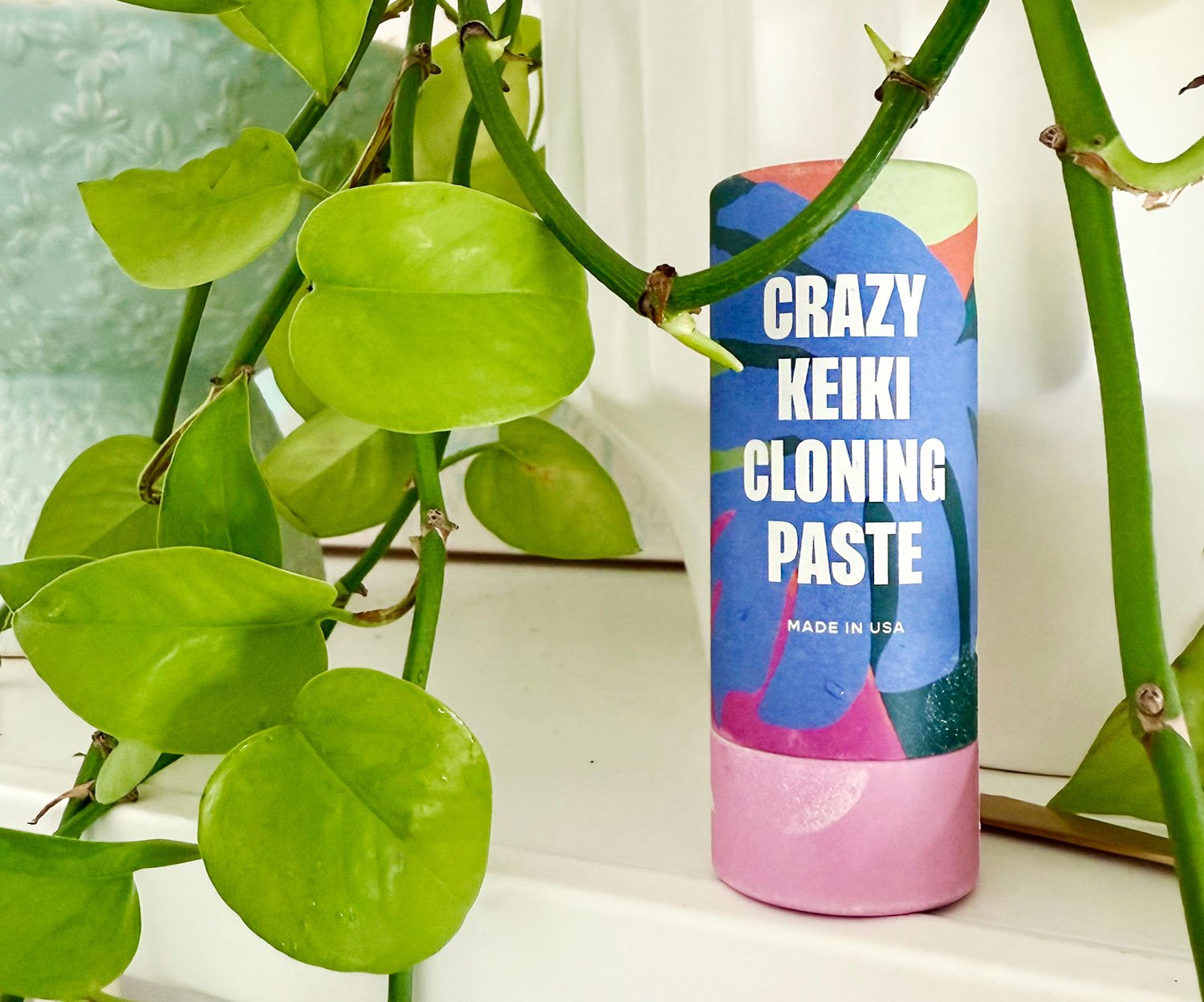
Are you a plant lover looking for an innovative way to promote growth in your houseplants? You’re not alone. Many plant enthusiasts are turning to a product called keiki paste, which has gained popularity for its ability to stimulate new growth effectively. Not just a gimmick, this “miracle” cloning paste is an easy-to-apply growth hormone that can help fill out those bare spots on pothos, orchids, and other plants. If you’re wondering, “What is keiki paste? How can I use it on my plants?”—this guide is just for you. We’ll explore its benefits, how to apply it, and what plants thrive with this growth enhancer.
What Is Keiki Paste and How Does It Work?
Keiki paste is a plant growth hormone that acts as a catalyst for new leaf growth. It is particularly effective for filling in gaps on plants such as pothos and orchids. Unlike rooting hormones that encourage root development, keiki paste is specially designed to be applied to above-ground nodes. These nodes are the bumps from which new leaves or branches emerge.
For instance, if you have a leafless vine on your pothos plant, applying keiki paste can help regenerate new growth in that area. When looked at closely, you’ll find that this paste contains a chemical called 6-benzylaminopurine (6-BAP), a synthetic cytokinin that stimulates cell division and promotes new growth. It’s a powerful tool for any plant parent wanting to keep their green companions healthy and thriving.
How to Apply Keiki Paste Effectively
Applying keiki paste is straightforward and requires minimal effort. Follow these three simple steps for optimal results:
- Score the Node: Carefully make a small cut at the node where you want new growth. This cut should not be deep; a toothpick or a small knife should suffice. If there’s a sheath covering the node, peel it back gently to help the hormone penetrate.
- Apply the Paste: Using a toothpick or cotton swab, dab a pea-sized amount of keiki paste onto the node. Remember, a little goes a long way; too much can stress the plant.
- Water and Wait: Water your plant as usual and be patient. New growth may appear in as little as 1-3 weeks, depending on the plant’s health and the environment.
What Plants Can Benefit from Keiki Paste?
The versatility of keiki paste extends beyond just orchids. While it was initially developed for this specific type of plant, it can be used on various species with above-ground nodes. Consider trying it on:
- Vining plants like philodendrons and hoyas
- Flowering plants such as orchids and begonias
- Succulents like donkey tails and string of pearls
- Small trees, including fiddle leaf figs and rubber trees
The key to successful application is identifying the nodes on these plants. Avoid using keiki paste on plants like ZZ plants or snake plants that grow differently.
Why Might Keiki Paste Not Work?
While many have experienced great success with keiki paste, results can vary. Here are a few reasons why you might not see the desired outcomes:
- Plant Health: For optimal results, use keiki paste on healthy plants. Address any underlying issues like poor lighting or nutrient deficiencies first.
- Avoid Overapplication: It’s best to treat only one or two nodes at a time. Overloading the plant with hormone can lead to stress and impact results negatively.
- Explore Other Solutions: In some cases, it might be beneficial to prune leggy vines or fill bare spots through propagation rather than relying solely on keiki paste.
Where to Purchase Keiki Paste
If you’re eager to get your hands on keiki paste, you can find several brands online. While prices typically range from $20 to $25 for a small jar, remember that a little paste goes a long way, making the investment worth it. Be sure to store your paste in a cool, dark place to maintain its effectiveness.
In conclusion, keiki paste is a powerful tool for plant lovers looking to enhance the growth of their indoor greens. Whether you’re rejuvenating an orchid or filling bare patches on your pothos, knowing how to use this product effectively can elevate your gardening experience. Happy planting!
To deepen this topic, check our detailed analyses on Diy & Tutorials section